

Double-layer robotic waterjet cutting machine for BMW automotive interior cutting
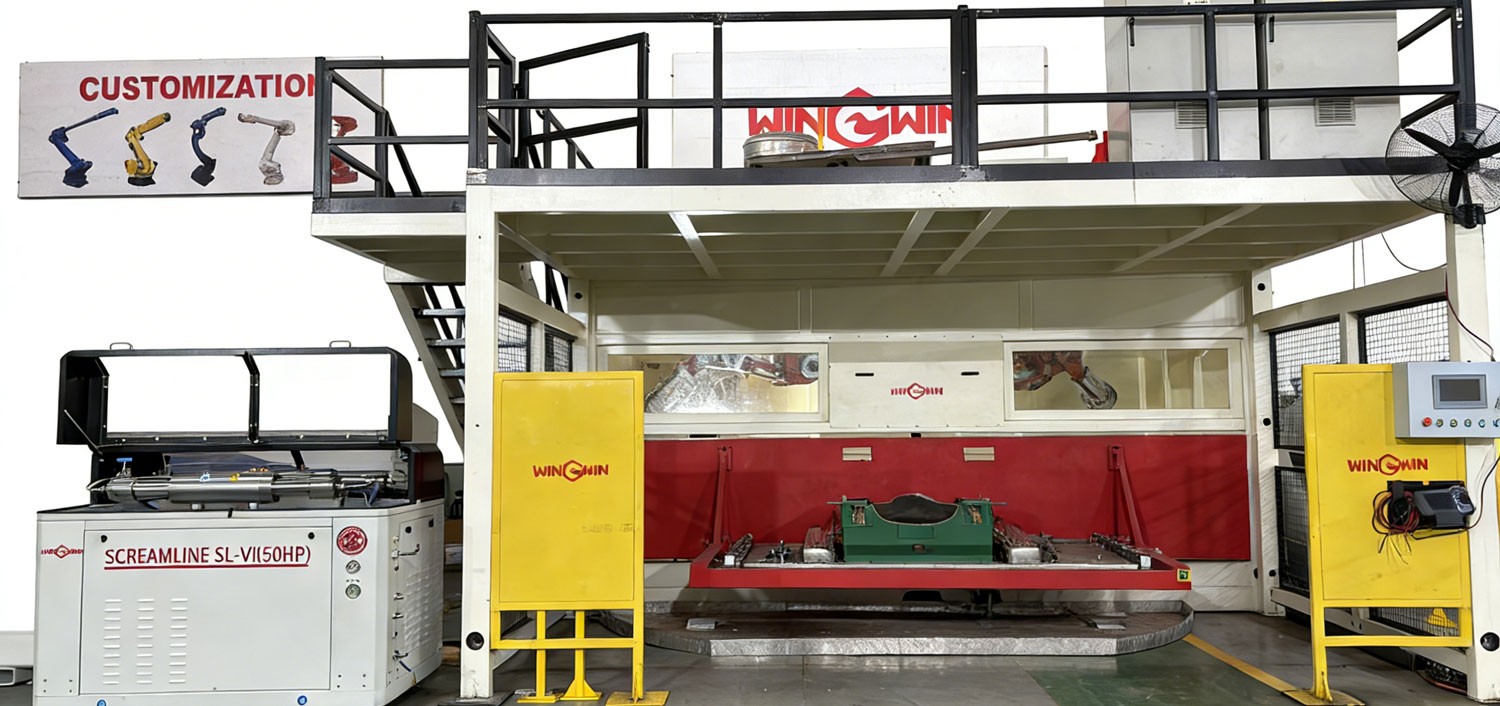
Double-layer robot waterjet cutting machine advantages
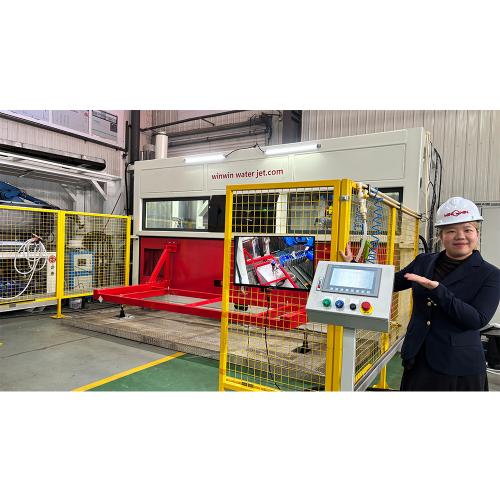
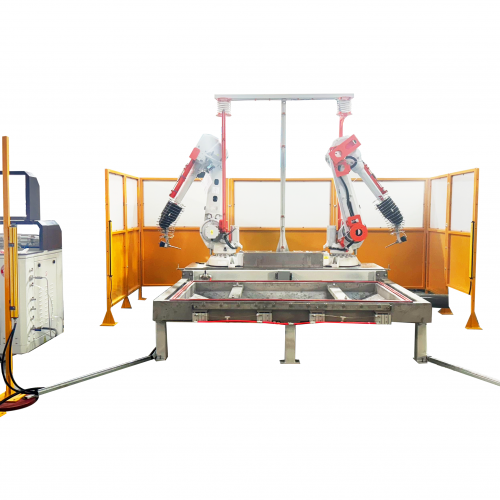
Designed specifically for BMW’s production lines, the machine features a space-saving vertical layout: robotic cutting arms and workstations occupy the ground floor, while auxiliary equipment—including high-pressure pumps, chillers, and water softening systems—is housed on a mezzanine level above.
The dual-station configuration enables continuous operation: one station cuts while the operator loads or unloads the other. This parallel workflow maximizes throughput while minimizing floor space.
For cutting premium interior materials—such as leather, Alcantara, carbon fiber, and soft trim—the system delivers cold-cutting precision with zero thermal damage, narrow kerf, and exceptional material yield, meeting BMW’s exacting quality standards.
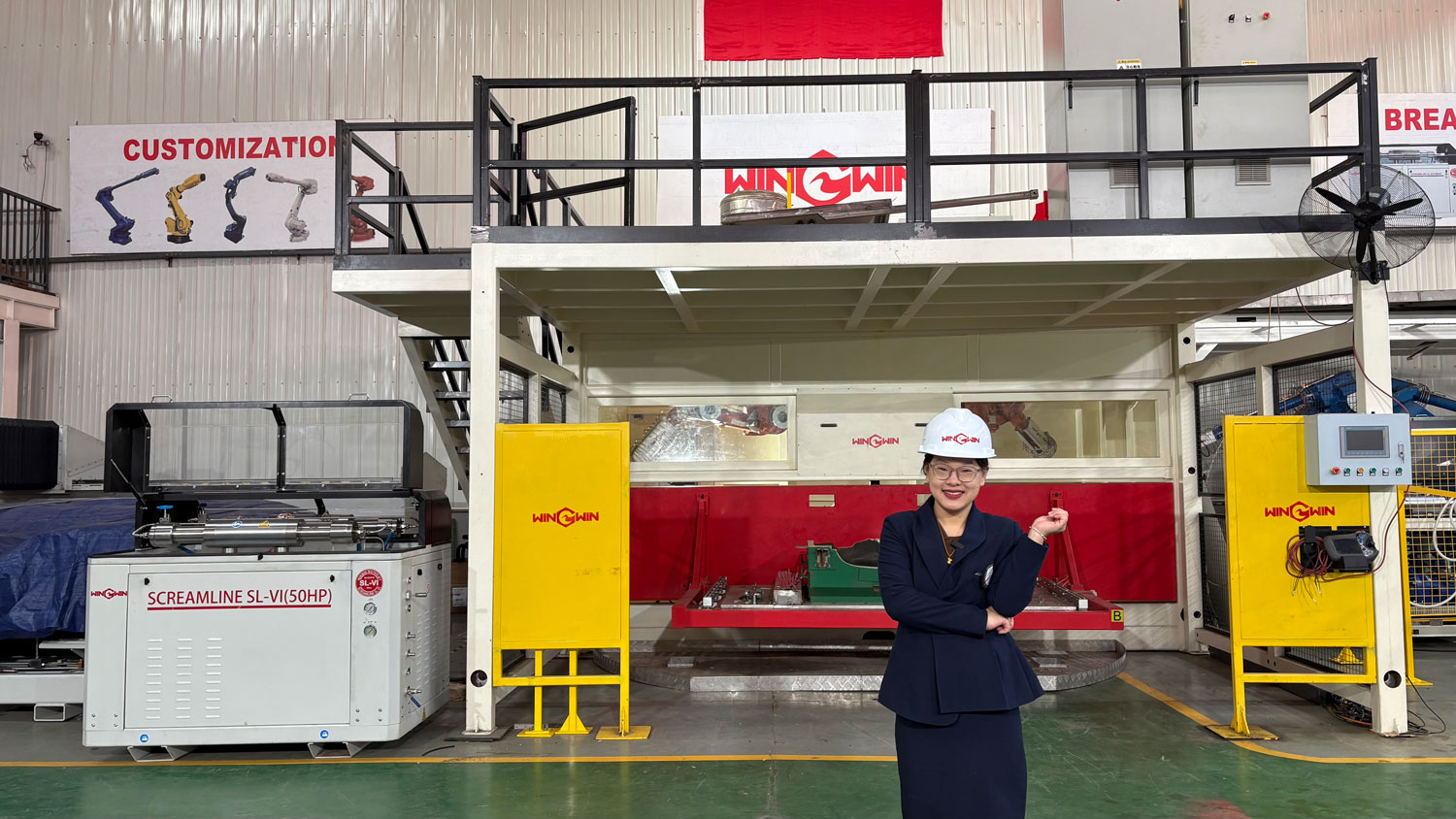
1. Significant reduction in production floor space
This is the most direct and fundamental advantage.
Traditional layout VS Two-storey layout
All equipment (robots, workstations, booster pumps, chillers, water softeners, storage tanks, etc.) is crammed into the ground-floor production area The ground floor houses only robots and workstations, whilst all auxiliary equipment is concentrated on the first floor
Floor space typically requires 80–150 square metres (depending on the scale of the workstations) Ground floor footprint can be reduced, saving 50–70% of production floor space
This layout offers clear advantages for businesses facing limited factory space, high rent per square metre, or those wishing to reserve more ground floor space for other production lines.
2. Significantly improves the working environment on the ground floor
The auxiliary equipment of waterjet cutting systems is the primary source of noise and heat; relocating it to the first floor will significantly improve the working environment on the ground floor.
For production models requiring operators to be on duty on the ground floor for extended periods, this layout significantly enhances comfort and safety.
3. Clear Separation of Maintenance and Operational Zones
Following the functional zoning, the operational and maintenance areas are physically separated, ensuring they do not interfere with one another.
4. Facilitates Centralised Piping Design
Waterjet cutting systems require extensive piping connections (high-pressure water pipes, cooling water pipes, softened water pipes, drainage pipes, etc.).
Traditional layout: Pipes run along the floor or in cable trays, posing a tripping hazard and appearing unsightly.
Two-storey layout: Pipes are routed vertically from the second floor down to the equipment on the first floor. This provides the shortest route with the fewest bends, helping to minimise pressure loss in high-pressure water pipes and facilitating the design of the drainage system.
5. Frees up floor space for other uses
For many factories, ground-floor space is the most valuable production resource.
With a double-deck layout, the space saved on the ground floor can be used for:
Adding another production line
Setting up a temporary storage area for raw materials or finished goods
Planning wider safety aisles
Reserving space for future expansion
How does robot waterjet cutting help to save material?
1. Ultra-Narrow Kerf
The kerf—material removed during cutting—is exceptionally narrow with waterjet technology. This allows parts to be nested closer together, maximizing yield from every sheet or slab.
| Cutting Method | Kerf Width | Material Savings |
|---|---|---|
| Plasma Cutting | 2.0 – 4.0 mm | Baseline |
| Laser Cutting | 0.8 – 1.5 mm | Moderate |
| Robot Waterjet (abrasive) | 0.8 – 1.2 mm | Significant |
| Robot Waterjet (pure water) | 0.2 – 0.5 mm | Maximum |
2. No Heat-Affected Zone
Unlike laser or plasma cutting, robot waterjet cutting is a cold process. There is no heat-affected zone (HAZ), meaning no thermal distortion, no material hardening, and no warping. Parts cut with waterjet arrive at final dimensions with full material integrity—no scrap from thermal damage.
3. Intelligent Nesting
Robotic systems integrate with advanced nesting software that optimizes part placement, works with irregular remnant materials, and uses vision systems to avoid defects. Material that once went to the scrap bin now becomes finished product.
Related
-
 Quick View
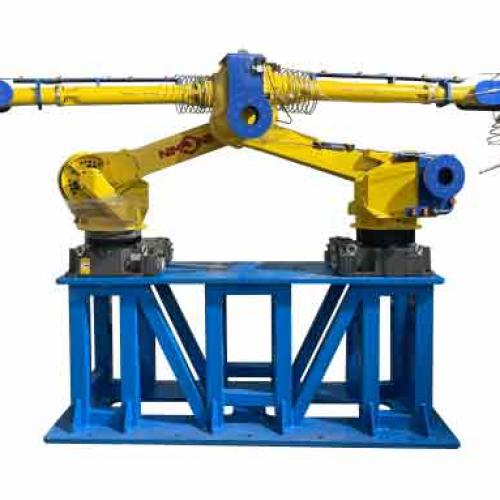
Fanuc M-710IC Robot Waterjet Cutting Project
-
 Quick View
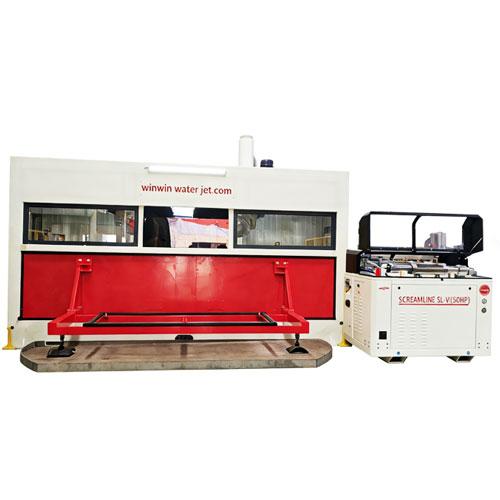
Advantages of ABB 1600 Robotic Waterjet in Automotive Interior Manufacturing
-
 Quick View
Yaskawa MOTOMAN-GP25 Waterjet Robot System for Automotive Interior Manufacturing
-
 Quick View
ABB4600 Robotic Waterjet Cutting System for Automotive Interior
-
 Quick View
Helmet Cutting Robot Waterjet Machine