

Advantages of ABB 1600 Robotic Waterjet in Automotive Interior Manufacturing
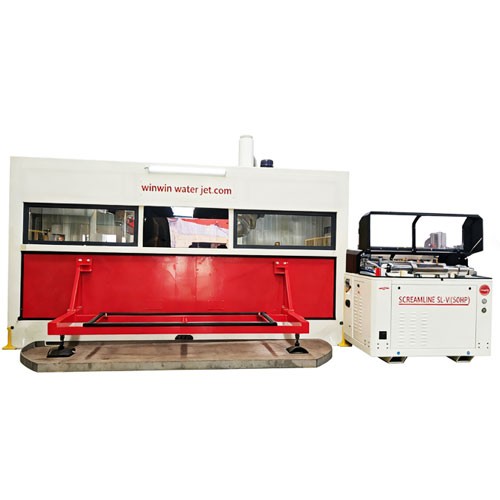
Advantages of ABB 1600 Robotic Waterjet in Automotive Interior Manufacturing
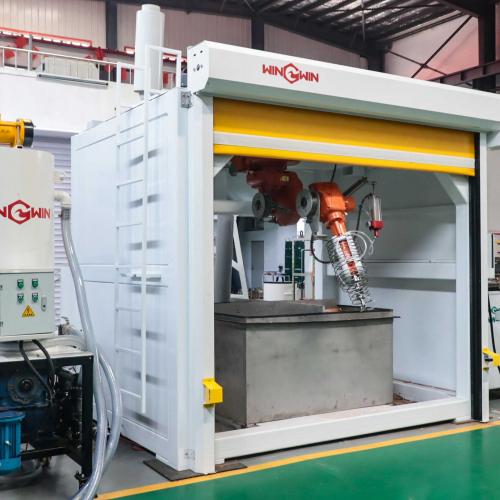
I'm thrilled to introduce our latest project: ABB 1600 ceilling type robotic waterjet cutting system. Robotic waterjet cutting stands out as a premium processing solution for automotive interiors, delivering exceptional precision, flexibility and efficiency while meeting the industry’s strict demands for quality, environmental protection and multi-material adaptability.
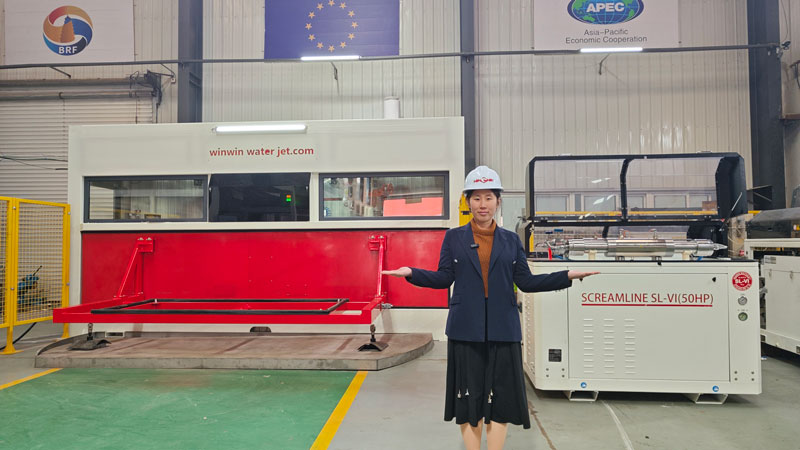
Cold Cutting + Robotic Flexibility
As an entirely cold cutting technology, ultra-high pressure waterjet produces no heat-affected zone during processing. It effectively avoids burning, discoloration, warping, hardening or delamination commonly caused by thermal processing methods. This makes it ideal for temperature-sensitive interior materials such as genuine leather, fabrics, foams, carpets, headliners, sound insulation cotton and composite panels.
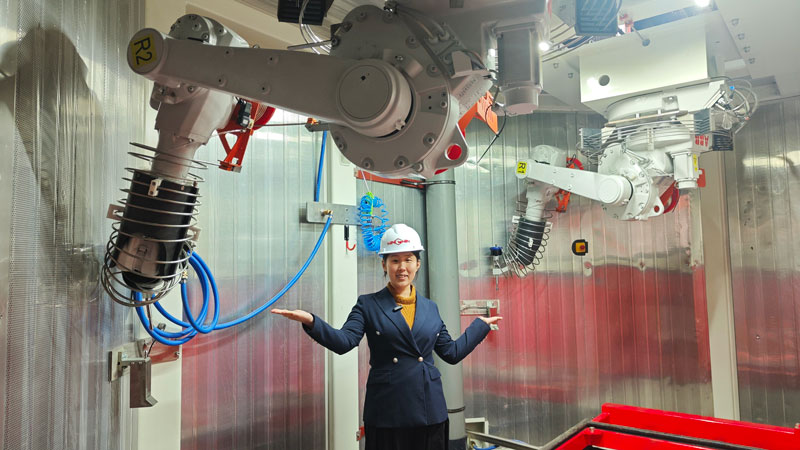
6-Axis Robot, One-Step Forming of 3D Surfaces
Six-axis robotic arm enables arbitrary spatial trajectory cutting, easily completing the processing of special-shaped contours, curved surface openings, chamfers, flanging, and complex splicing positions on interior parts, which is unattainable by traditional 2D/2.5-axis equipment.
High-Quality Cutting Edge, No Secondary Grinding Required
The cutting surface is smooth and burr-free, achieving a precision of ±0.1mm. This significantly reduces or eliminates post-processing steps such as grinding, deburring, and trimming, improving efficiency by 30%–70%+.
| Item | Parameter |
| Robot Model | ABB IRB 1600-10/1.45 |
| Repeatability | ±0.05 mm |
| Maximum working range | 1.45m |
| Water Pressure | 3000 – 4000 bar |
| Cutting medium | Pure water |
| Control system | IRC5 controller |
Extremely Wide Material Compatibility, One Line for All Categories
- Capable of cutting from soft fabrics, foam, leather to rigid composites, fiberglass, plastics, and thin metals without changing tools/dies. It enables fast switching between different interior components, enable highly flexible production.
- One-step cutting formingreduces processes, shortens cycle times, improves material utilization, and lowers scrap rates.
The cutting process produces no smoke, toxic fumes, or sparks, generating only water and a small amount of abrasive waste, which is easy to collect and treat; no chemical solvents are required, improving the workshop environment and complying with automotive industry environmental and safety standards.
Typical Application to Process Interiors
Soft Interiors
Carpets, headliners, seat fabrics/foam, door panel cladding, luggage liners, sound insulation cotton, heat insulation pads.
Rigid/Composite Interiors
Instrument panels, center console panels, air ducts, pillar trims, carbon fiber/fiberglass decorative parts, door panel frames.
Sealing/Sound Insulation Parts
Precision cutting of various sealing strips, foam, EPDM, and sound-absorbing cotton.
Comparison with Traditional Processes (Core Differences)
| Process | Robotic Waterjet Cutting | Laser / Plasma Cutting | Stamping / Die Cutting |
| Thermal Impact | None, cold cutting process | Yes, prone to deformation or charring | Mechanical stress, easy to tear |
| 3D Complex Parts | Perfectly adaptable | Limited, risk of edge burning | Almost impossible to process |
| Material Compatibility | Suitable for nearly all automotive interior materials | Not ideal for soft/foam materials | Only compatible with specific materials |
| Secondary Processing | Minimal or none required | Requires grinding/deburring | Requires trimming/deburring |
| Production Flexibility | Extremely high, fast changeover between jobs | Medium | Low, highly dependent on dedicated dies |
WIN-WIN Waterjet's Proven Achievement in Robotic Waterjet
WIN-WIN Waterjet has established long-term in-depth cooperation with Tier-1 automotive interior manufacturers worldwide. For example:
Grupo Antolin
Autoneum
Pelzer
Related
-
 Quick View
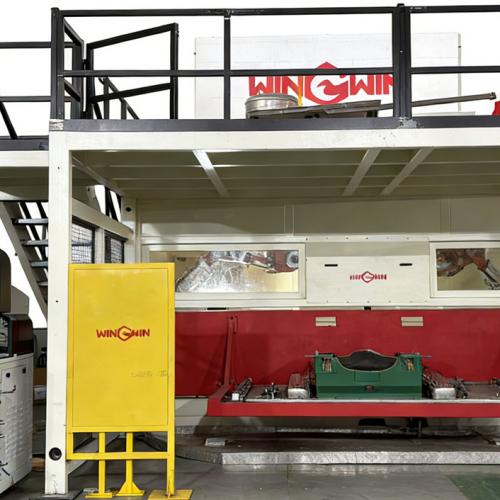
Double-layer robotic waterjet cutting machine for BMW automotive interior cutting
-
 Quick View
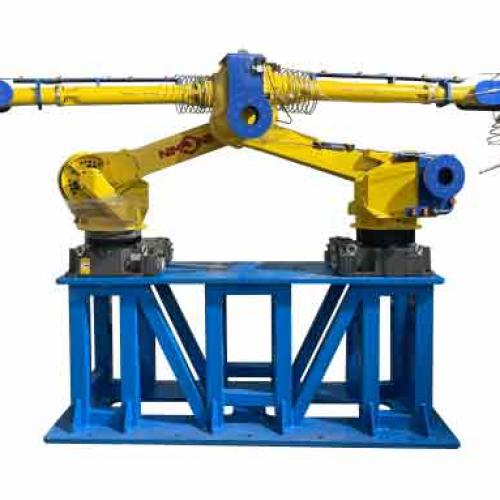
Fanuc M-710IC Robot Waterjet Cutting Project
-
 Quick View
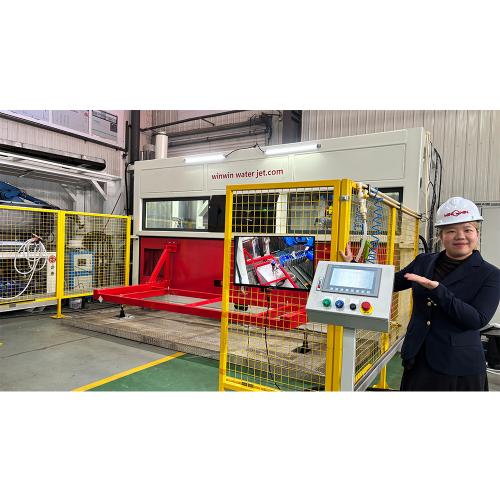
Yaskawa MOTOMAN-GP25 Waterjet Robot System for Automotive Interior Manufacturing
-
 Quick View
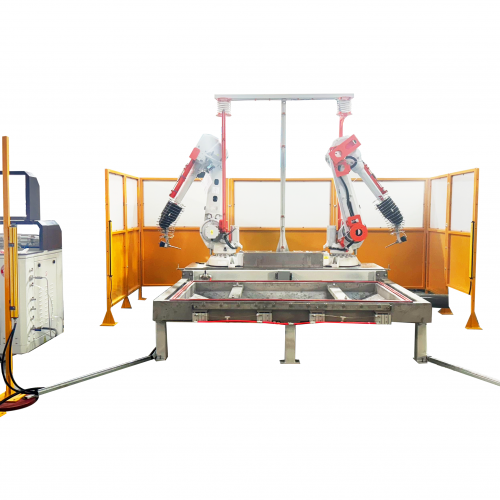
ABB4600 Robotic Waterjet Cutting System for Automotive Interior
-
 Quick View
Helmet Cutting Robot Waterjet Machine