

Helmet Cutting Robot Waterjet Machine
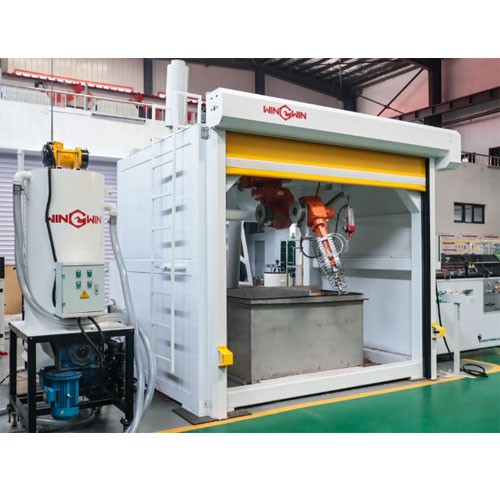
Helmet Cutting Robot Waterjet Machine
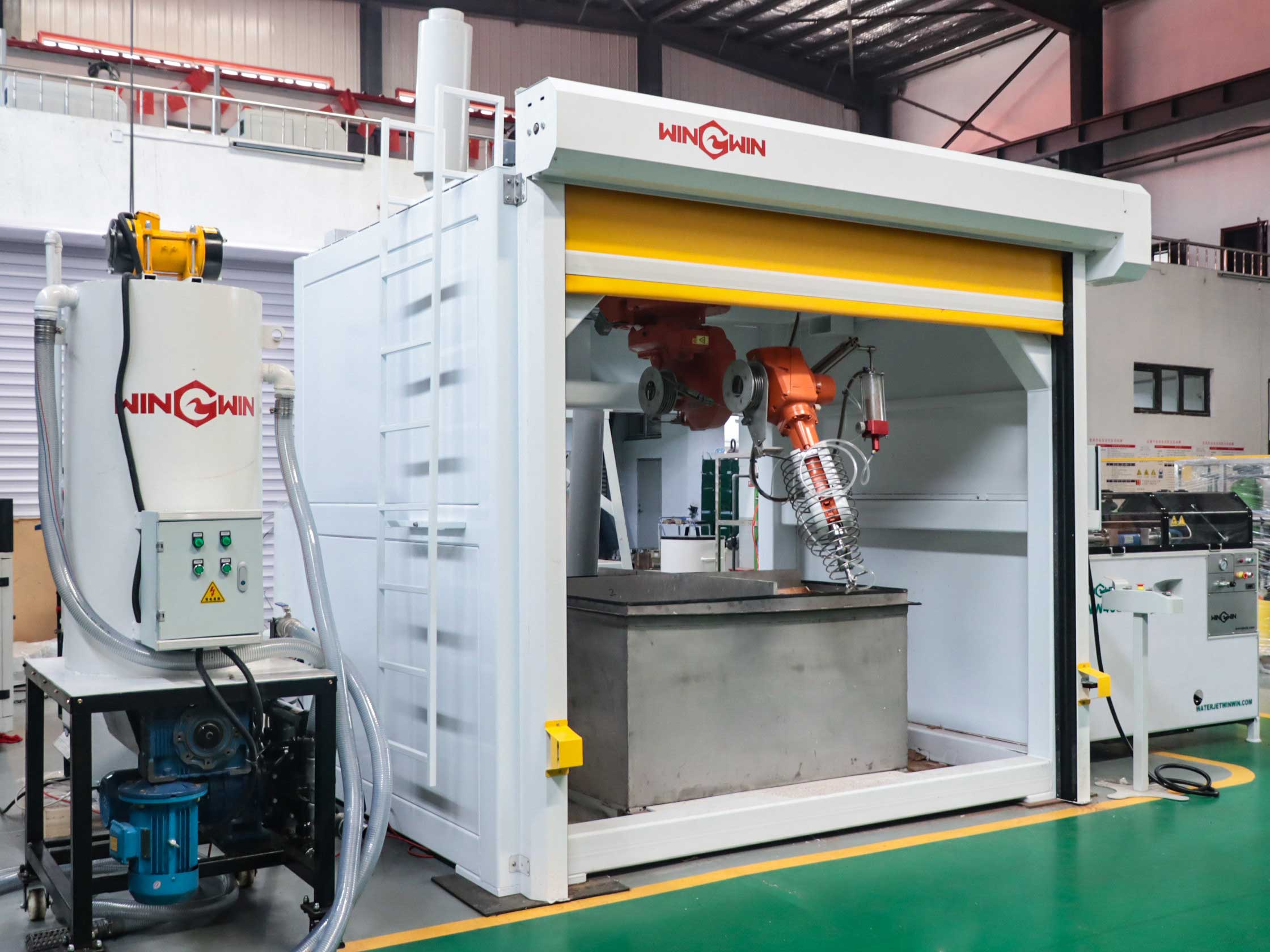
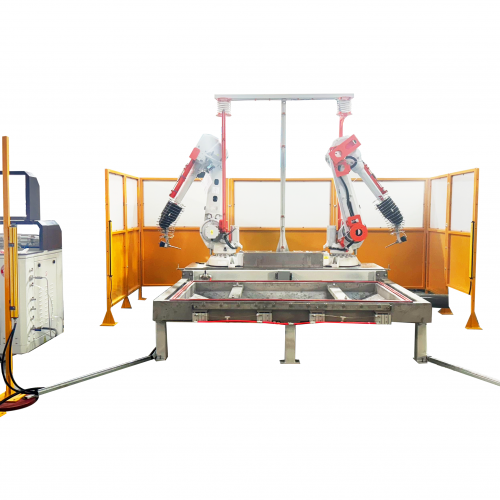
Helmet Cutting Robot Waterjet Machine,using 1600 robot arm,WW40JET intensifier pump.
This set of robot waterjet machine is sold to America for helmet cutting.
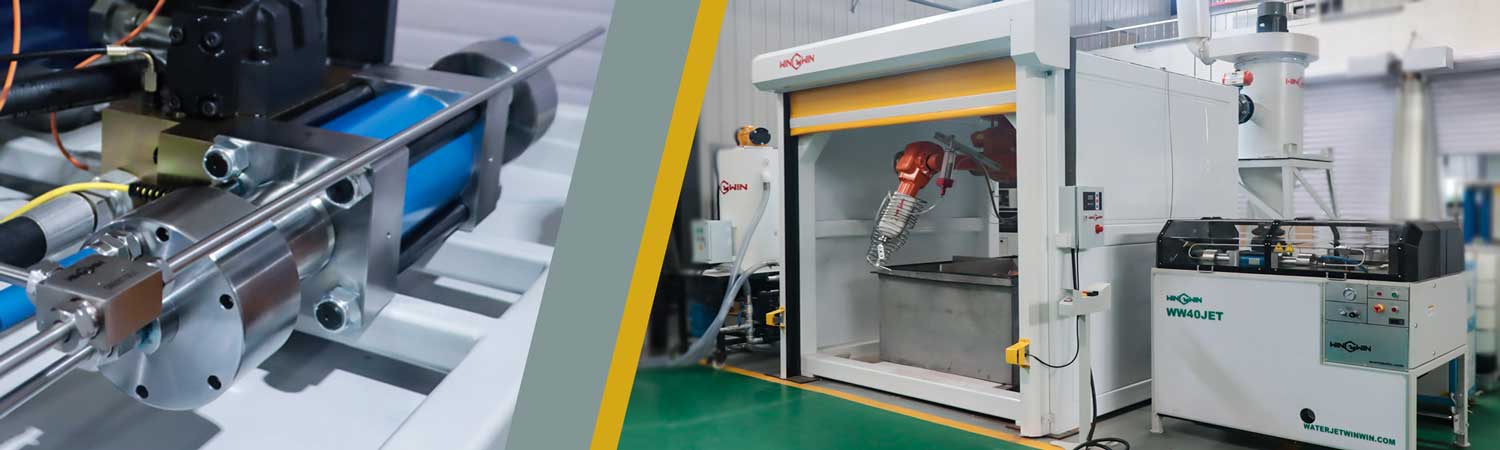
Application of Helmet Cutting Robot Waterjet Machine
In modern helmet manufacturing (whether for safety helmets, sports helmets, or high-end custom helmets), the pursuit of personalization, lightweight design, and protective performance poses a challenge to traditional cutting methods. Robotic waterjet cutting technology offers an unparalleled solution, with its core advantages including:
1. Perfect Handling of Complex 3D Curved Surfaces and Irregular Shapes
The core of a helmet is a complex 3D curved surface. The robotic waterjet cutting head acts like a dexterous "surgical scalpel," perfectly conforming to the helmet's spherical contours.
2. Precise 3D Hole Cutting: Holes used for ventilation, communication, or camera systems are typically not on a single plane. The robot can keep the cutting head perpendicular to the helmet's curved surface, achieving perfectly circular cuts for round holes, avoiding ellipses or bevels, ensuring both functionality and aesthetics.
3. Personalized Pattern Cutting: Any complex pattern can be cut, engraved, or deeply engraved on the helmet surface. Whether it's a team logo, a user's name, or artistic patterns, the robot can precisely "draw" it on the 3D curved surface like a paintbrush, achieving deep customization.
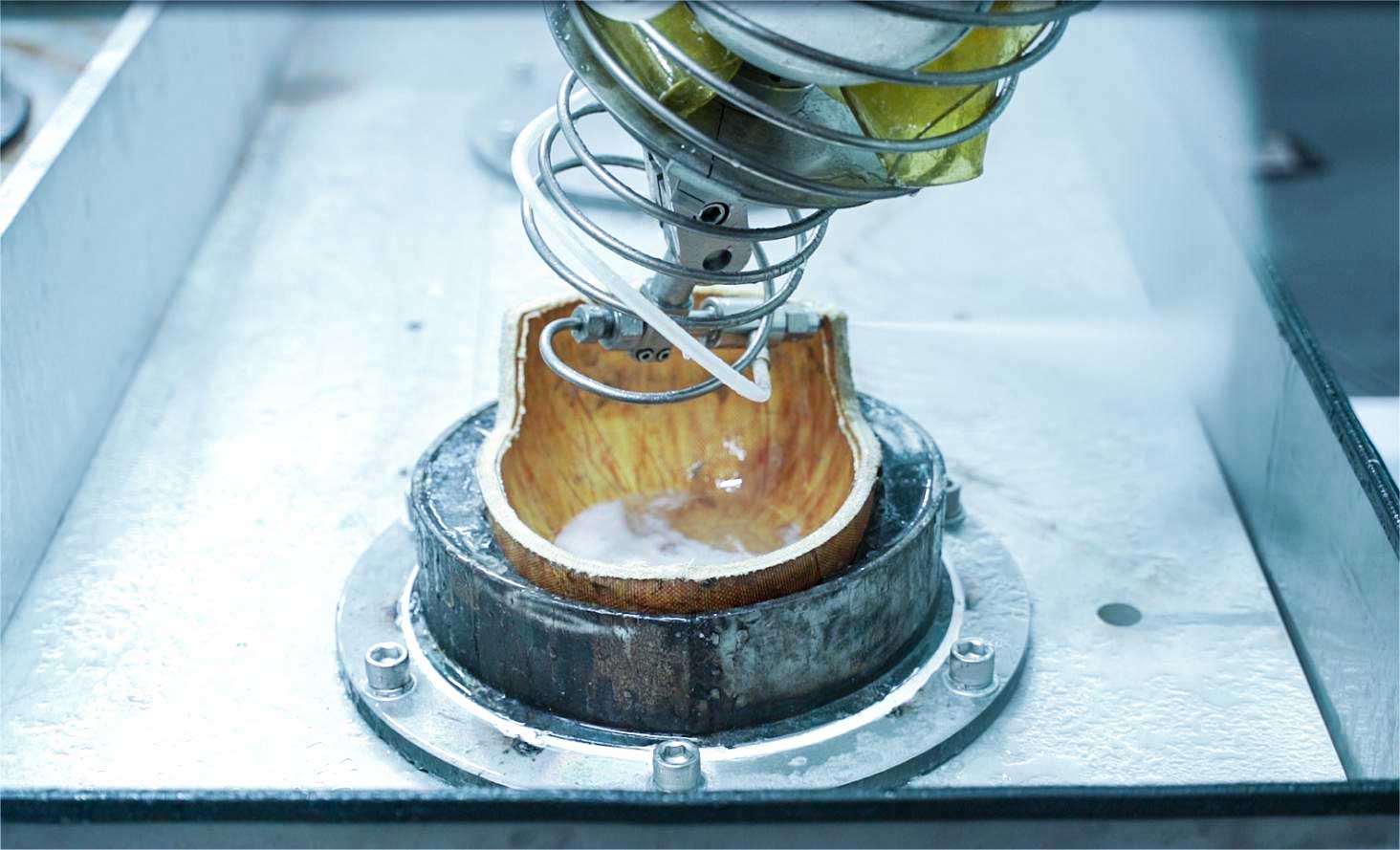
2. No Heat-Affected Zones or Mechanical Stress, Maintaining Structural Integrity
This is the decisive advantage of waterjet cutting over thermal cutting methods such as laser and plasma.
"Cold" Cutting: The waterjet cutting process does not generate high heat, completely avoiding the melting, deformation, or harmful fumes produced by high temperatures. This is crucial for commonly used helmet composite materials (such as carbon fiber and fiberglass), engineering plastics (such as ABS and PC), and foam linings, ensuring that the mechanical properties and protective strength of the materials themselves are not affected in the slightest.
No Mechanical Stress: Unlike machining processes such as milling, waterjet cutting involves no physical contact force, preventing delamination, burrs, or microcracks at the cut edges. This is essential for ensuring the overall structural strength and impact resistance of the helmet shell, especially carbon fiber materials, eliminating potential failure points introduced by the cutting process.
3. Extreme Cutting Precision and Smooth Edges
High-Precision Contour: High robot path repeatability, combined with ultra-high pressure water jets, enables extremely precise contour cutting with a small tolerance range, ensuring consistent cutting for every helmet.
Smooth and Burr-Free: The cut edges are smooth and flat, requiring little or no secondary polishing. This not only enhances the product's premium feel and safety (preventing scratches from sharp edges) but also protects the helmet lining material from wear.
4. Unparalleled Flexibility and Rapid Changeover
"One tool, countless designs": By simply changing the programming file, the same robotic waterjet cutting system can instantly switch tasks to handle helmets of different models, sizes, and patterns. This is particularly suitable for small-batch, multi-variety customized production.
Integrated into Automated Production Lines: The robot can easily pick up helmet blanks from the conveyor belt, cut them, and then place them at the next workstation, achieving fully automated production and significantly improving efficiency.
Related
-
 Quick View
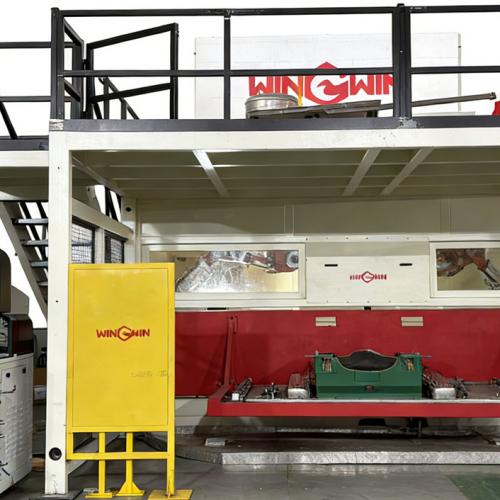
Double-layer robotic waterjet cutting machine for BMW automotive interior cutting
-
 Quick View
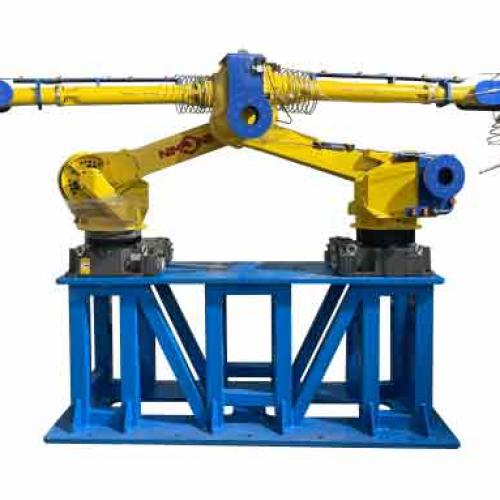
Fanuc M-710IC Robot Waterjet Cutting Project
-
 Quick View
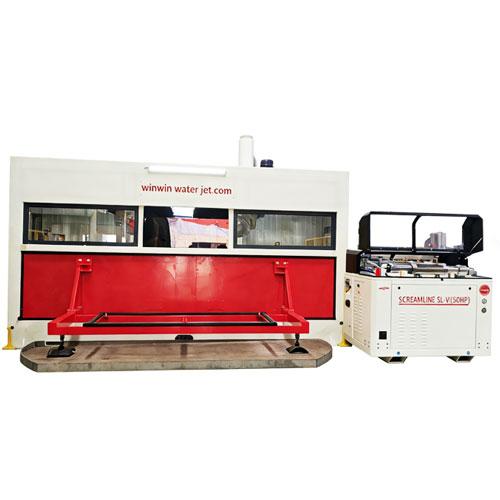
Advantages of ABB 1600 Robotic Waterjet in Automotive Interior Manufacturing
-
 Quick View
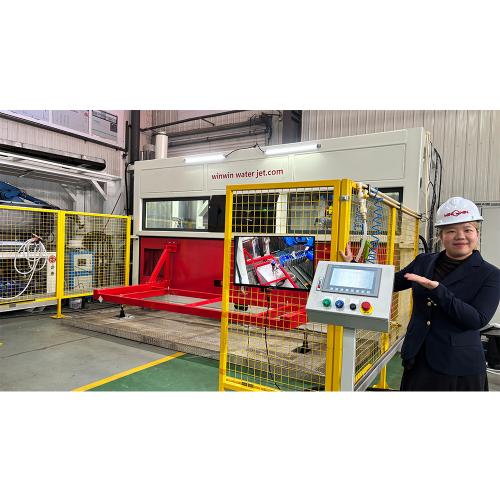
Yaskawa MOTOMAN-GP25 Waterjet Robot System for Automotive Interior Manufacturing
-
 Quick View
ABB4600 Robotic Waterjet Cutting System for Automotive Interior