

The Thread Repair Specialist: A Guide to Using an Internal Taper Tool
In hydraulic repair, engine overhaul, and general machinery maintenance, internal threads in critical components like valve bodies, pump housings, and cylinder heads are often damaged due to repeated assembly/disassembly, corrosion, or improper operation (e.g., stripped, crossed, or worn threads). Replacing the entire component is costly. In such scenarios, the Internal Taper Tool becomes an indispensable (sharp weapon/tool) for the repair technician. It efficiently and precisely restores damaged threads to their original condition, significantly saving on repair costs and time.
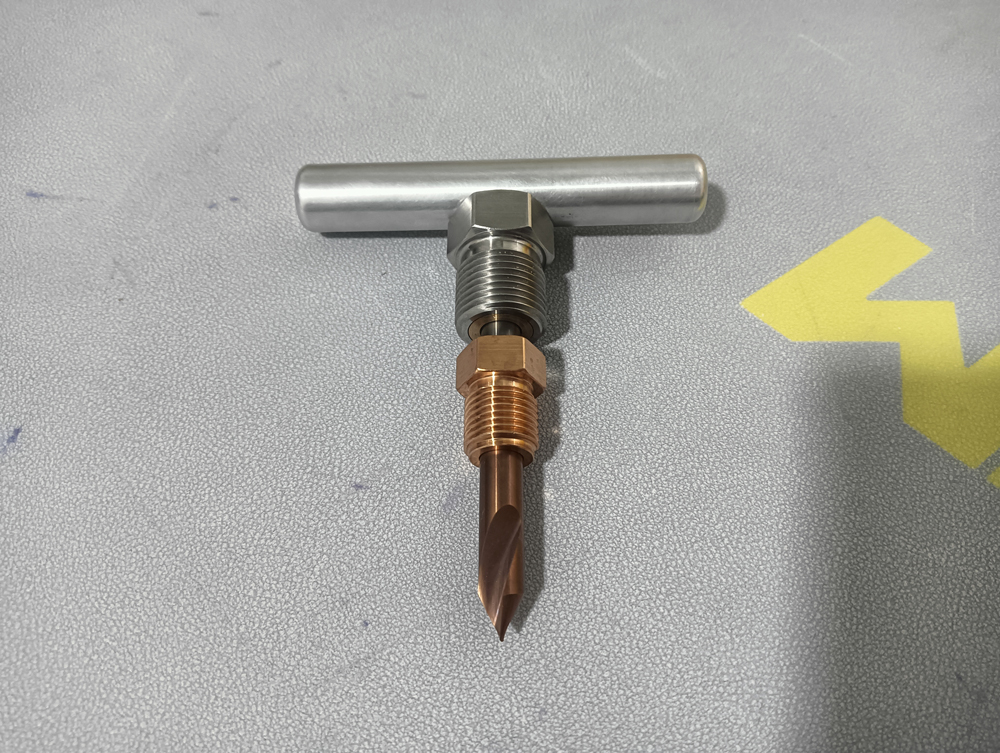
I. What is an Internal Taper Tool? (Thread Repair Type)
The Internal Taper Tool discussed here is a specialized hand-cutting tool used for repairing damaged internal threads. It is similar to a tap but serves a different purpose:
Tapping: Cuts brand new threads in a pre-drilled pilot hole.
Internal Tapering: Performs secondary cutting and reshaping in pre-existing but damaged threaded holes to restore their original thread form and size.
Its working principle involves using a front pilot section and tapered threads with cutting flutes. The tool is guided into the damaged thread hole, where it cuts away burrs and deformed material, restoring a clear thread profile.
II. Key Features of the Internal Taper Tool
Front Pilot Section: The front end of the tool has a section of complete, non-cutting threads. This ensures precise alignment and guidance during the repair process, guaranteeing the restored threads are concentric with the original ones.
Cutting Flutes: Longitudinal grooves cut into the tool form the cutting edges and also serve to hold and evacuate chips (swarf).
Tapered Thread Design: Starting from the pilot, the thread form has a slight taper, allowing it to gradually engage the damaged area for a smooth repair.
Material and Coating: Typically made from high-strength alloy steel, often with surface hardening or special coatings (e.g., Titanium Nitride - TiN) to ensure wear resistance and long service life.
III. Applications of the Internal Taper Tool
Repairing threaded holes in hydraulic valve blocks (valve bodies).
Repairing spark plug holes, sensor threads in engine blocks.
Repairing threaded holes in various pump housings and transmission cases.
Repairing damaged threads in molds, jigs, and fixtures.
IV. Correct Operating Procedure
Preparation:
Safety First: Wear safety goggles to prevent metal chips from entering the eyes.
Cleaning: Thoroughly clean the threaded hole to be repaired using cleaning solvent, a brush, or compressed air. Ensure it is free of grease, debris, and contaminants.
Inspection: Identify the exact specification of the threaded hole (e.g., M10x1.5, 1/4"-NPT) and select the Internal Taper Tool that matches it perfectly.
Lubrication: Apply a generous amount of specialized cutting fluid or high-quality lubricating oil to the tool's cutting section and inside the threaded hole. This reduces cutting resistance, improves surface finish, and protects the tool.
Repair Process:
Alignment and Insertion: Carefully place the front pilot section of the Internal Taper Tool into the damaged threaded hole. Use your hand to ensure it is as coaxial as possible with the hole.
Initial Threading: Following the thread's direction (usually clockwise), apply slow, steady downward pressure while rotating the tool. Ensure the tool remains perpendicular to the face of the part.
Feel the Cut: You will feel noticeable resistance as the tool begins to cut into the damaged area. Maintain a stable, uniform force, rotating no more than 1/2 to 1 turn at a time.
Back Off to Clear Chips: After about every full turn forward, reverse the rotation by about 1/2 turn (counter-clockwise). This breaks and clears the metal chips produced during cutting. This step is crucial to prevent chip packing, which can cause the tool to jam or create secondary damage.
Complete the Repair: Continue the "forward-and-back" motion until the tool passes smoothly through the entire length of the threaded hole, and the resistance feels even and smooth.
Remove the Tool: Once repair is complete, rotate the tool counter-clockwise to unscrew it completely from the hole. Maintain perpendicular alignment during removal to avoid wobbling.
Final Cleaning: Use compressed air and a brush again to thoroughly remove all metal chips from the repaired hole and the tool itself. Use cleaning solvent if necessary.
V. Precautions and Common Issues
Never Use Power Tools: Operate by hand only! Power tools rotate too fast and are uncontrollable,极易 (extremely easy to) cause the tool to break inside the hole or irreversibly damage the threads.
Maintain Perpendicular Alignment: Tool misalignment is a primary cause of repair failure, leading to "chewed" threads or misaligned repaired threads.
Mandatory Chip Clearing: Do not skip the "back-off" step. Accumulated chips are the main cause of tool seizure and rough thread surfaces.
Correct Tool Selection: Always select an Internal Taper Tool that exactly matches the original thread specification (metric, imperial, pitch). Using the wrong size will completely destroy the threaded hole.
Check the Repair: After repair, test the result by hand-threading a new, matching bolt into the hole. If it screws in smoothly and without binding, the repair is successful.
VI. Maintenance and Care
Clean the tool immediately after use with solvent to remove all oil and metal chips.
After drying, apply a light coat of anti-rust oil and store it in its dedicated case to avoid impact.
Regularly inspect the cutting edges for wear or chipping. Severely worn tools will affect repair quality and should be replaced promptly.
Conclusion
The Internal Taper Tool is an efficient and economical solution for thread repair. Mastering its correct use empowers you to tackle damaged threads in expensive core components effectively. Remember the key principles: "Clean, Align, Lubricate, Clear Chips" – and you will be well-equipped to handle most internal thread repair tasks, significantly improving maintenance efficiency and cost-effectiveness.
If you are interested,click here