

High Pressure Tube: The Indispensable Core Safety Component in Waterjet Cutting Systems
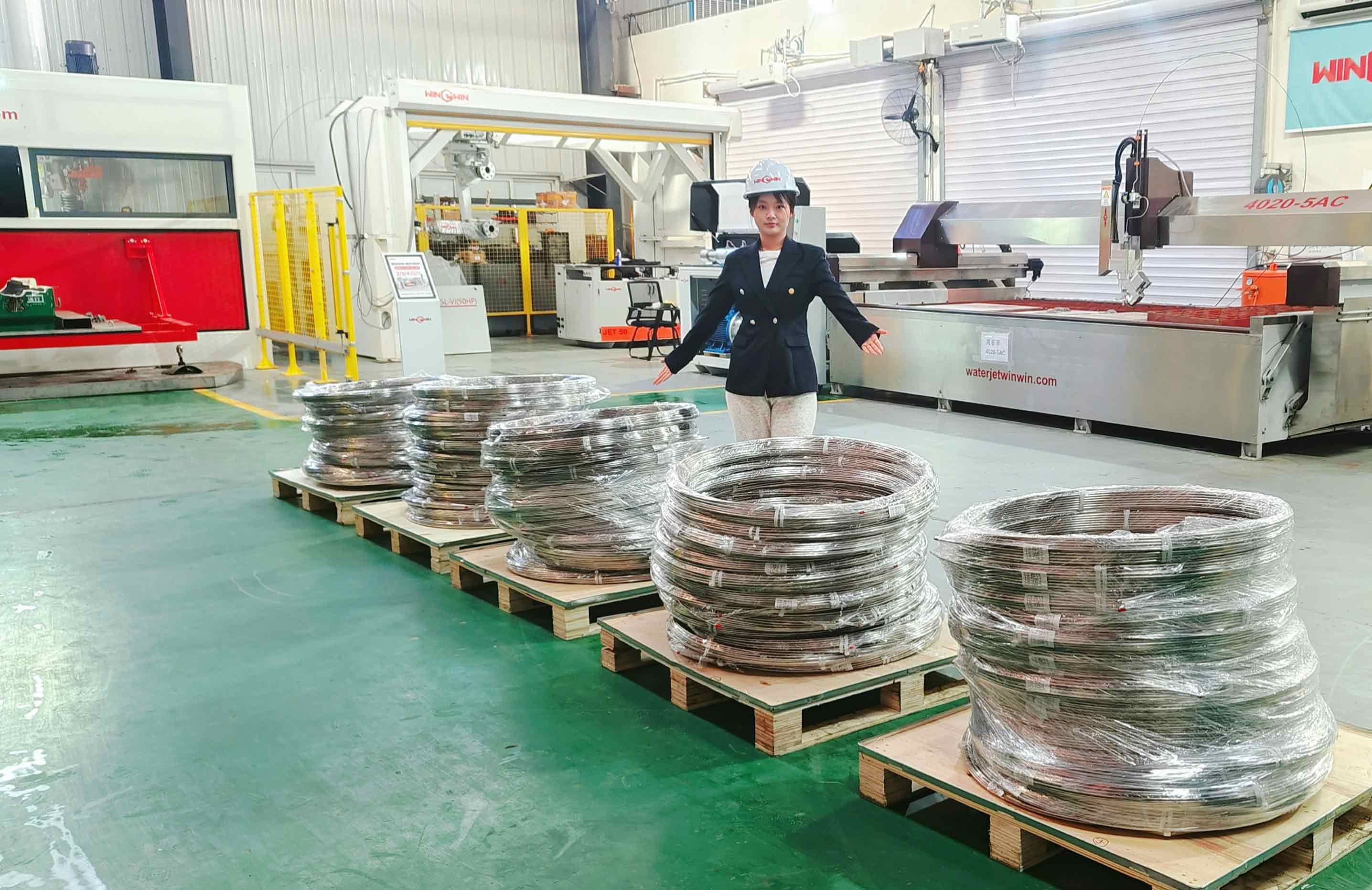
In ultra-high pressure waterjet cutting systems, many users tend to focus more on intensifiers, cutting heads, or jewel nozzles, while easily overlooking another equally critical component—the High Pressure Tubing. In fact, high pressure tubing is far more than a simple "connecting pipe": it bears the responsibility of stably delivering water at thousands of bars of pressure to the cutting head, serving as the fundamental guarantee for the safe operation and cutting stability of the entire system.
A high-quality high pressure tubing system can significantly reduce equipment failure rates, improve cutting efficiency, and extend the service life of the entire machine. Conversely, substandard high pressure tubing is prone to leaks, bursts, and even safety accidents. Therefore, in practical applications, the selection and quality of high pressure tubing often determine the "hidden performance" of a waterjet cutting machine.
1. Extreme Challenges Under High Pressure Environments
Waterjet cutting equipment typically operates at pressures up to 60,000 psi (approximately 4,137 bar), and can even reach 90,000 psi in some high-end applications. Under such extreme pressure conditions, ordinary pipes cannot withstand the stress impacts of long-term operation.
High pressure tubing must not only endure steady static pressure but also cope with pressure fluctuations and pulse shocks generated during equipment startup and shutdown. This cyclic loading imposes extremely high demands on the material’s fatigue resistance. Inhomogeneous material structure or inadequate processing can easily lead to microcracks in a short time, eventually resulting in tube failure.
For this reason, waterjet high pressure tubing is usually made of high-strength stainless steel or special alloys. Cold drawing processes are used to enhance material density, followed by precise heat treatment to maintain stable mechanical properties even in high-pressure environments.
40k-60k | Nipple,HP 1/4”O.D.(for H20 waterjet) |
400077-3 | 3”Long |
400077-4 | 4”Long |
400077-6 | 6”Long |
400077-8 | 8”Long |
400077-11 | 11”Long |
40k-60k | Nipple,HP 3/8”O.D.(for H20 waterjet) |
400010-3 | 3”Long |
400010-4 | 4”Long |
400010-6 | 6”Long |
40k-60k | 1/4”HP Tubing(for H20 waterjet) |
400090-1-1 | Random 20+'(316SS) |
400090-1-1-20 | Exact 20'(316 SS) |
400090-1-2 | Random 20+'(304 SS) |
400090-1-2-20 | Exact 20'(304 SS) |
490090-1 | Random 20'+(100k UHP) |
3/8”HP Tubing(for H20 waterjet) | |
400090-2-1 | Random 20+'(316 SS) |
400090-2-1-20 | Exact 20'(316 SS) |
400090-2-2 | Random 20+'(304 SS) |
400090-2-2-20 | Exact 20'(304 SS) |
490090-2 | Random 20'+(100k UHP) |
9/16”HP Tubing(for H20 waterjet) | |
400090-3-1 | Random 20+'(316 SS) |
400090-3-2 | Random 20+'(304 SS) |
400090-3-2-20 | Exact 20'(304 SS) |
490090-3 | Random 20'+(100k UHP) |
2. Multi-Specification Design for Diverse Application Needs
To adapt to different equipment and working conditions, high pressure tubing is available in various specifications. Common outer diameters include 1/4 inch, 3/8 inch, and 9/16 inch, each corresponding to different flow and pressure requirements.
For example, smaller-diameter high pressure tubing is more suitable for standard cutting applications, offering fast response and stable pressure. Larger-diameter tubes, on the other hand, are designed for high-flow systems or long-distance transportation, effectively reducing pressure loss.
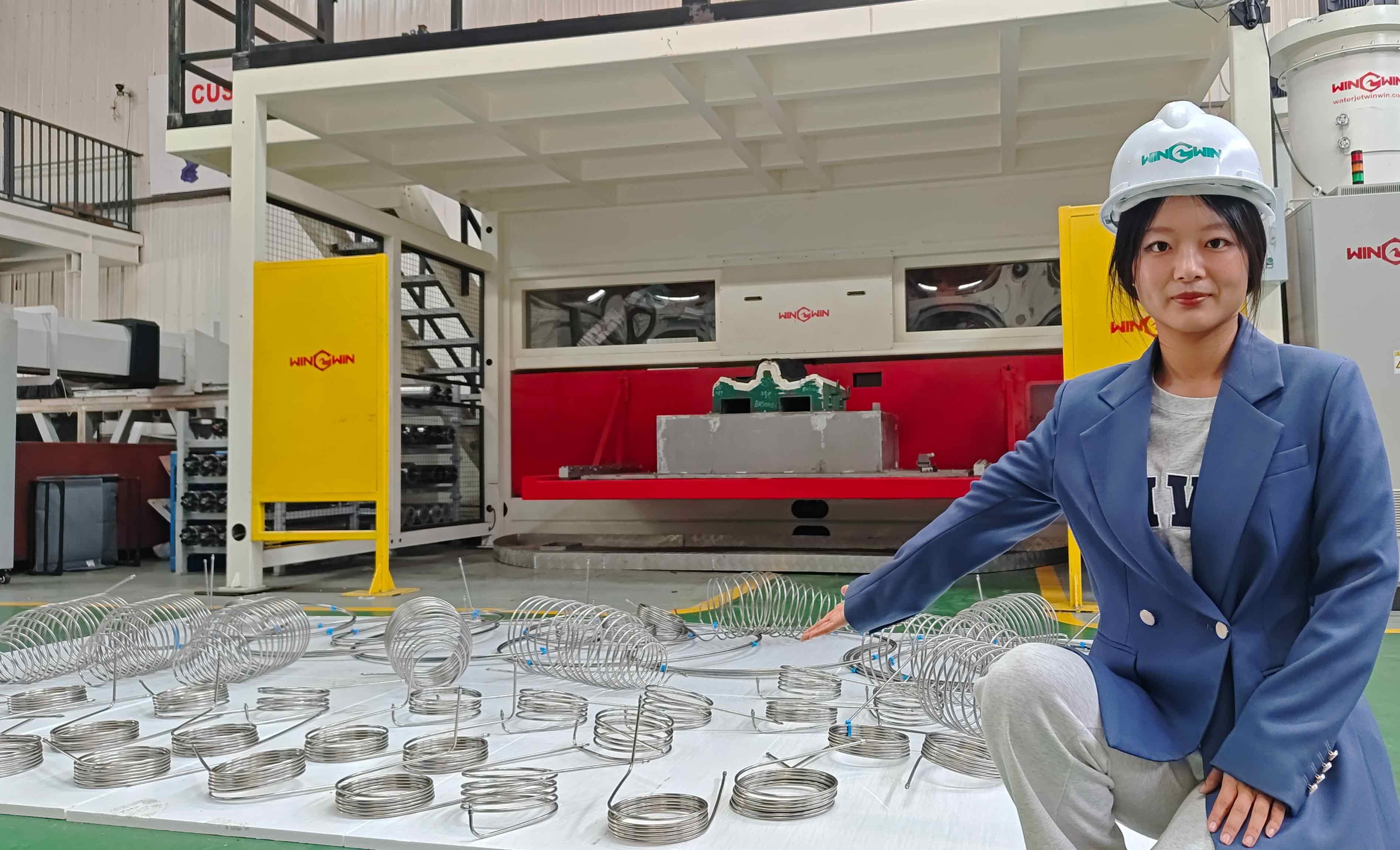
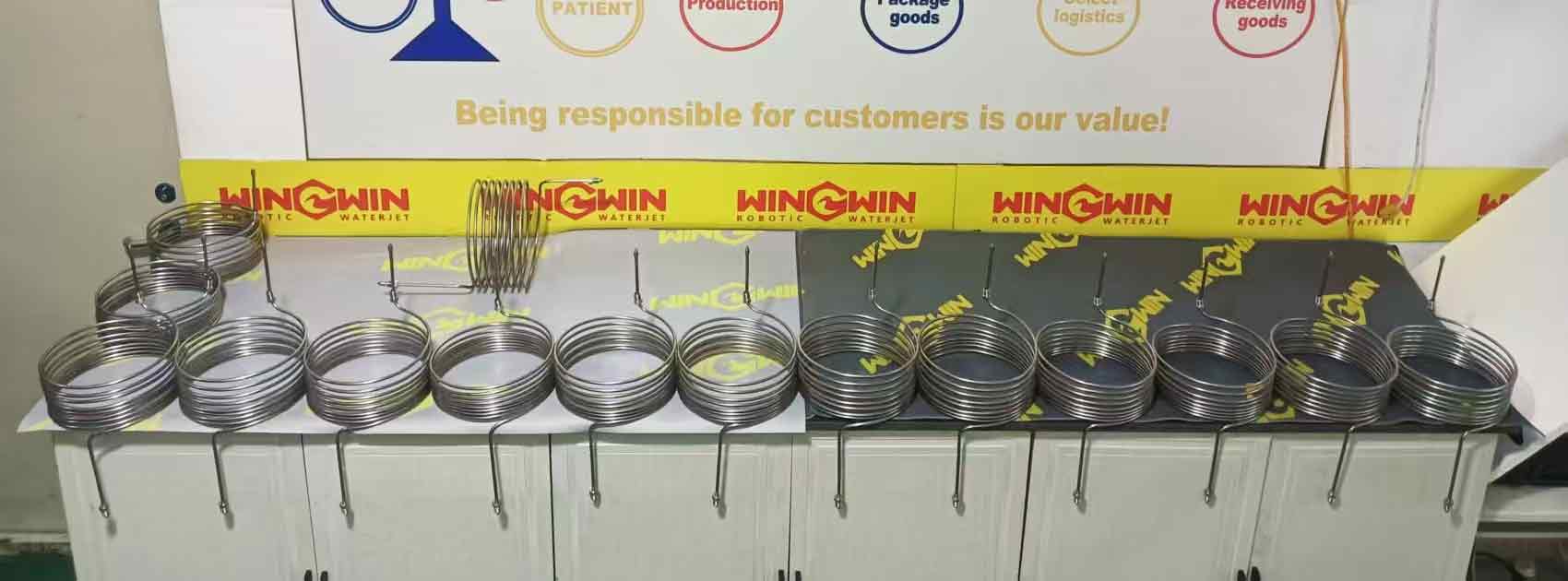
In addition to standard lengths (typically 6 meters), high pressure tubing can be customized to match on-site layouts, including special lengths and pre-bent designs. This flexibility makes it ideal for complex installation environments, especially in robotic waterjet cutting or space-constrained equipment.
510000468 | Extension Tube for Dardi waterjet |
510000466 | Extension Tube for Dardi waterjet |
007259-1 | 60K 3/8" Elbow 4.2" X 3.94 for Flow waterjet |
009227-1 | 60K 3/8" Elbow 4.9" X 3.9" for Flow waterjet |
011561-1 | 60K HP Tube; 3/8"; Intensifier Left Side; Standard; Pump for Flow waterjet |
011562-1 | 60K HP Tube; 3/8"; Intensifier Right Side; Standard; Pump for Flow waterjet |
008239-1 | 60K HP Tube; 3/8"; Intensifier; Standard for Flow waterjet |
043439-1 | 87K HP Tube; 3/8"; Standard; Outlet; HyperJet 100i-D for Flow waterjet |
020595-1 | 87K Intensifier Filler Tube for Flow waterjet |
3. Manufacturing Processes Determine Service Life
The performance of high pressure tubing depends not only on the material itself but also on every detail of the manufacturing process. From raw material selection to final inspection, each step directly impacts product reliability.
First, cold drawing forming significantly improves material strength and uniformity, enabling it to withstand higher internal pressures. Second, precision machining and polishing of the inner bore reduce water flow resistance and energy loss, thereby boosting overall cutting efficiency.
Furthermore, rigorous heat treatment refines the material’s microstructure and enhances fatigue resistance. Finally, non-destructive testing methods such as ultrasonic inspection and pressure testing eliminate potential defects before shipment, ensuring each tube delivers stable and reliable performance.
20460873 | INTENSIFIER JL-13718"X8" for KMT waterjet |
20467648 | TUBE 1/4"HP BENT DUMP VALVE for KMT waterjet |
80070311 | TUBE,3/8"-BENT,SHORT-30/50 for KMT waterjet |
10078715 | COLLAR,HP,3/8" for KMT waterjet |
10078129 | NUT,GLAND,HP,3/8" for KMT waterjet |
10078590 | COUPLING,HP,TEE,3/8" for KMT waterjet |
80070303 | TUBE,3/8"-BENT,LONG-30/50 for KMT waterjet |
10079457 | ADAPTER,9/16"x3/8" for KMT waterjet |
95413696 | WASHER,LOCK,1/2"×0.125" for KMT waterjet |
95383790 | SCREW,SOCKET HEAD,1/2"x1" for KMT waterjet |
20477219 | TUBE HP 3/8"BENT JL-I 50 for KMT waterjet |
10079465 | COUPLING,HP,TEE,9/16" for KMT waterjet |
05040696 | ACCUMULATOR,TUV,1 LITER, for KMT waterjet |
10078525 | COUPLING,HP,90°,9/16" for KMT waterjet |
20477215 | TUBE HP 3/8"BENT JL-I 50 for KMT waterjet |
20427739 | VALVE ACTUATOR ASSEMBLY N/O for KMT waterjet |
49830581 | BULKHEAD COUPLING HP 3/8"X9/ for KMT waterjet |
20455068 | SCREW M12×20 MM SST SOCKET for KMT waterjet |
20454882 | CLAMP FIXING ACCUMULATOR 1L for KMT waterjet |
10094704 | HP-NIPPLE TUBE 3/8"L=3" for KMT waterjet |
10083897 | FERRULE,1/4" for KMT waterjet |
10186153 | CONDUIT,PROTECTION,HP TUBE for KMT waterjet |
10078459 | NUT,GLAND,HP,1/4" for KMT waterjet |
10078426 | COLLAR,HP,1/4" for KMT waterjet |
4. Key Value in Practical Applications
In practice, high pressure tubing is widely used in various waterjet cutting scenarios, including automotive interior cutting, stone processing, glass cutting, and aerospace composite material processing.
In the automotive industry, for instance, robotic waterjet systems require stable pressure output during high-speed movement, so high pressure tubing must combine flexibility and strength. In stone or glass processing, long continuous operation demands even greater durability from the tubing.
In any application scenario, the stability of high pressure tubing directly affects cutting quality. Pressure fluctuations or leaks not only compromise precision but also lead to costly downtime.

5. How to Select the Right High Pressure Tubing
During selection, users must consider factors such as equipment pressure rating, flow requirements, installation space, and interface standards. For high-frequency operation equipment, prioritize high-quality tubing with superior fatigue resistance to reduce long-term maintenance costs.
During installation, strictly follow operational guidelines to avoid excessive bending or improper installation that could damage the tube. Regular inspection of seal integrity at connection points is also critical to maintaining long-term system stability.
Although high pressure tubing is merely a "component" in waterjet systems, its role far exceeds its apparent value. It is indispensable to safety, stability, and overall operational efficiency.
Choosing high-quality high pressure tubing is an investment in equipment protection, production efficiency, and safety. In the competitive manufacturing industry, this "invisible safeguard" is often the key to stable business operations.
INQUIRY
Related PRODUCTS
-
 Quick View
CP022031/069 Piston Waterjet Spare
-
 Quick View
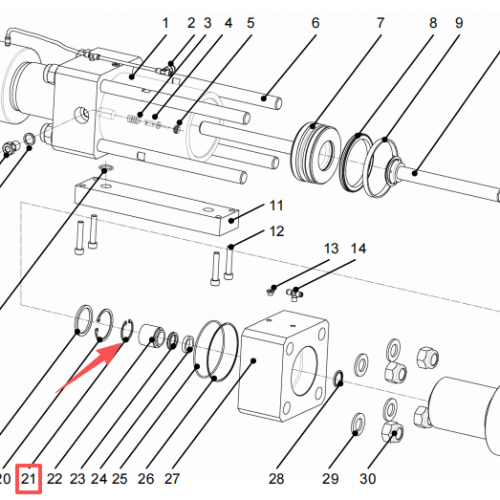
Resato Waterjet spare parts Retaining ring 1001742 used for intensifier
-
 Quick View
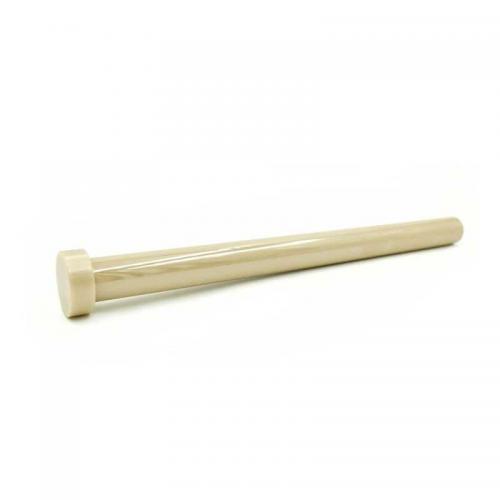
SP-46-3 Plunger Waterjet Pump Part for Waterjet Intensifier pump in Australia
-
 Quick View
Waterjet parts O-ring 720310058 Used for DARDI
-
 Quick View
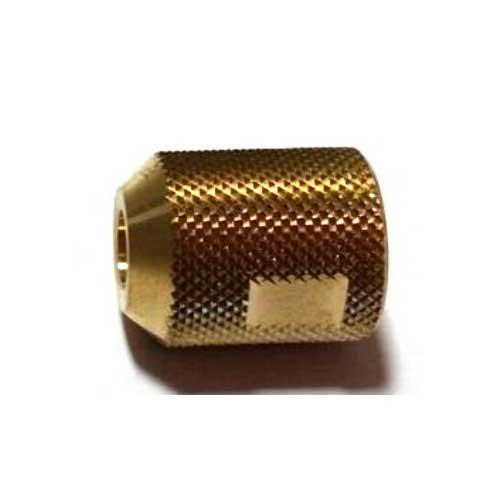
TJ006016/133 Nut waterjet parts
-
 Quick View
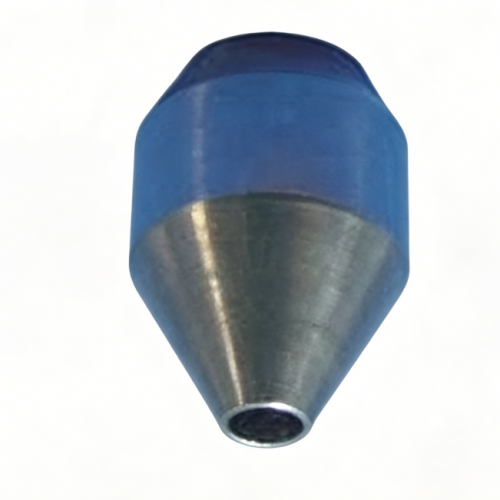
Waterjet parts Seat 510000930 Used for DARDI Check Valve
-
 Quick View
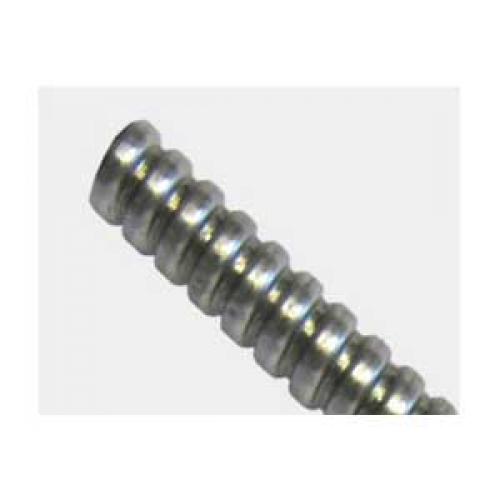
10186153 Flexible Conduit 90K For American waterjet machine uhp waterjet part
-
 Quick View
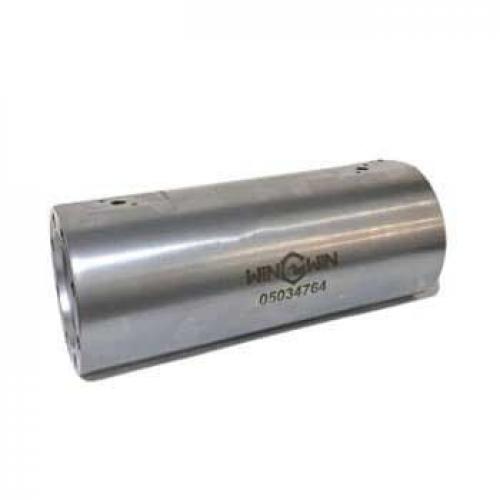
05034764 CYLINDER, HYDRAULIC, SLIV waterjet spare parts
-
 Quick View
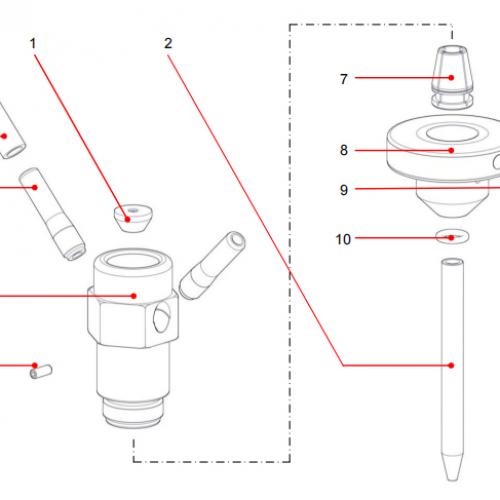
Abrasive tube 1004239 waterjet spare parts for Resato
-
 Quick View
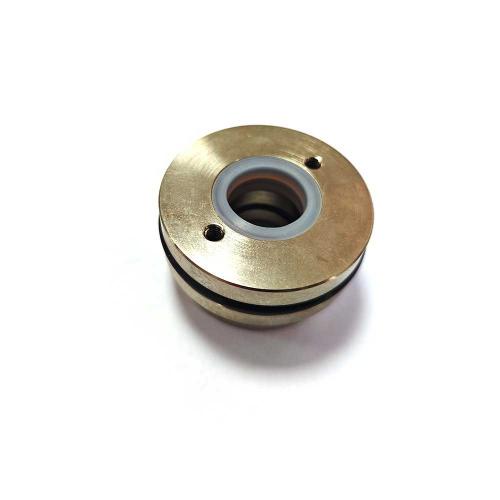
SP4-45-175 Seal Housing for Waterjet Intensifier pump in Australia